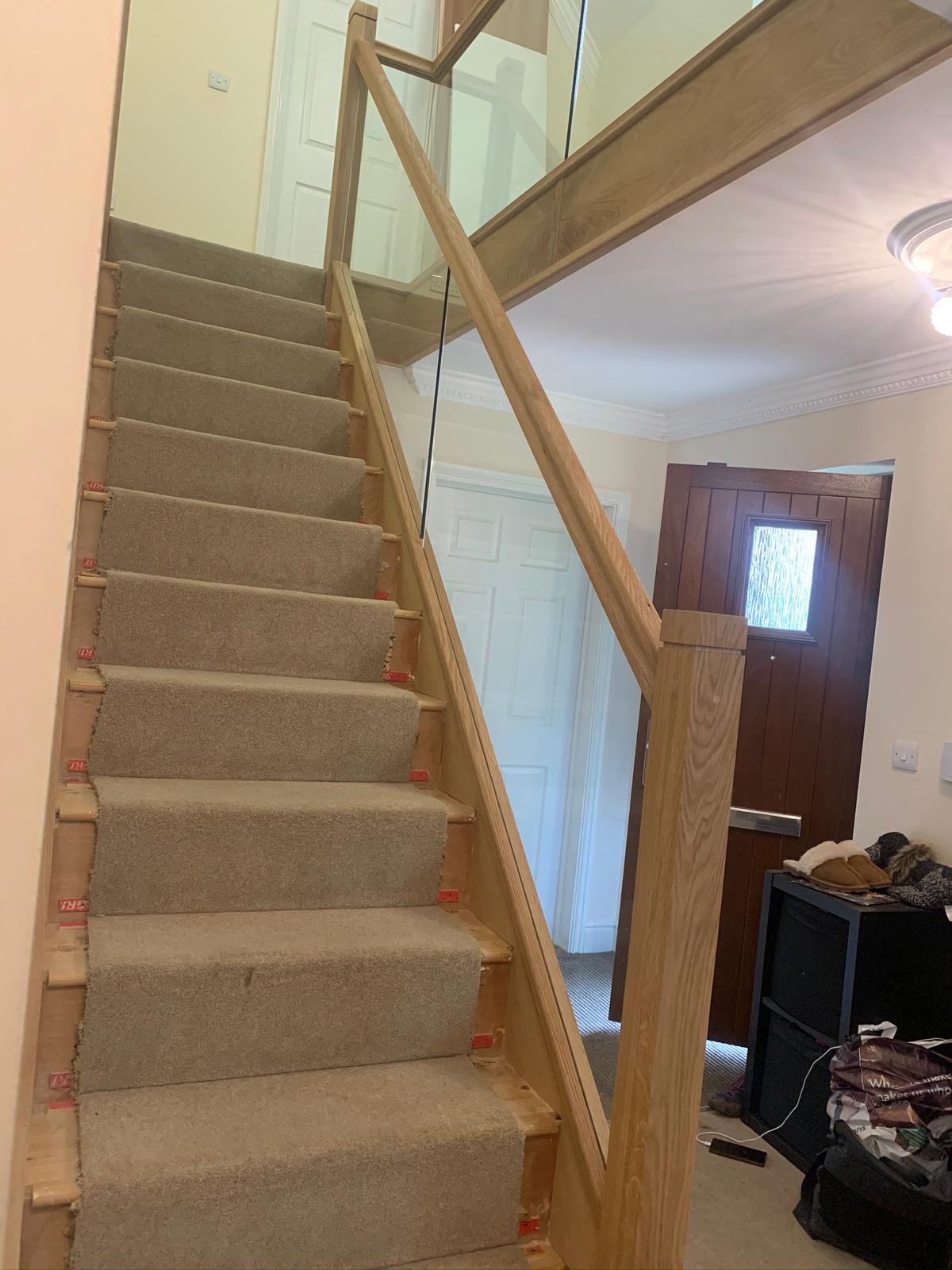
Transforming your staircase can introduce a modern twist and draw the eye instantly. Because the stairway is typically front and centre, they play a major role in shaping the style and mood of your home.
Repairing worn and dangerous steps is often necessary, but redesigning them can also transform your hallway.
Knowing If Your Stairs Are Suitable for an Upgrade
Don’t forget to assess your staircase’s look and structural integrity before making plans. If your house is covered by heritage status, planning consent is often required—get approval from your council first. If the property isn't listed, do a complete assessment for wear and structural issues. Be clear about what you’d like to achieve—can your current staircase handle the level of renovation you have in mind?
Review your renovation goals and whether your stairway as it stands can support your ideas.
Ask yourself your staircase is structurally sound enough for the changes you’re planning.
Be clear on what you want to do and whether your current stairs are up to the task.
Does your staircase have the strength needed to withstand what you're planning?
Before you begin, consider whether your stairs can handle the level of change.
Know your goals and check if your staircase can accommodate the changes.
Plan your renovation with your staircase’s current condition and strength in mind.
Will your current stairway be suitable for the design changes you’re preparing for?
Think through your design plans—can your current stairs handle that level of change?
Traditional homes with timber stairs can often be brought back to life with DIY efforts, such as swapping out steps or fitting a modern or period-style balustrade.
Traditional houses with wooden staircases can often be revived through DIY improvements like replacing the steps or handrails.
You can give traditional stairways in vintage houses a fresh look by fitting new steps or adding a handrail.
Simple DIY upgrades like changing the steps or adding a stylish balustrade can breathe new life into period staircases.
Wooden stairs in older homes often respond well to basic improvements like renewing the treads or balustrade updates.
Many traditional stairways can be improved with DIY projects, especially by replacing steps or banisters.
Wooden staircases in older houses often benefit from small changes like replacing the treads.
Swapping out old treads or installing a modern railing can help refresh a traditional stairway.
If you have a wooden staircase in an older home, some DIY work may be all it takes to give it a fresh look.
Basic updates like replacing treads or adding a stylish railing can modernise or restore a wooden staircase in a period property. For a total revamp, it’s wise to consult a specialist early on, comparing the pros and cons of removing and rebuilding versus upgrading what's there.
If you're planning a full staircase renovation, consult a staircase specialist early to evaluate rebuilding and renovation.
Major alterations to your staircase should include professional input to consider budget and results.
When considering a total makeover, a staircase expert can help you decide whether to rebuild or refurbish.
Before going ahead with a total staircase makeover, get a pro's opinion on whether to tear down and replace or work with the current setup.
A complete staircase overhaul should benefit from professional insight to compare the pros and cons of each approach.
Talking to a staircase specialist early can help you make the right call between a full rebuild or modernising what you have.
If a full redesign is on the table, weigh up the budget and results with help from a qualified advisor.
For extensive updates, it’s best to get advice from someone experienced in both renovation and reconstruction.
Plan carefully for a total overhaul by get advice from an expert and considering both routes.
Are Legal Approvals Essential for Your Planned Stair Changes?
No matter the scale of your staircase project, be sure to know what the building rules require. Swapping out stair parts with matching pieces may be exempt from building rules in heritage homes.
However, if modifying the core structure of the staircase, you must follow Part K of the Building Regulations, which covers:
If you’re adjusting the framework of your stairs, you’ll need to adhere to Part K of the Building Regulations.
Making big changes to your staircase design means you must comply with Part website K of the construction standards.
Changing the staircase’s design or structure requires you to meet the standards set in Part K of the building code.
If your renovation includes structural changes, you’re legally required to comply with Part K guidelines.
Redesigning the design or arrangement of your staircase means it must follow the rules in Part K.
Part K of the Building Regulations applies when you make any significant changes to your staircase design.
Changing the entire layout of your stairs will mean meeting strict rules under Part K.
Substantial modifications to your staircase will need to meet the legal requirements set out in Part K.
You must stick to Part K standards if you’re changing how your staircase is built or shaped.
If your project involves altering the core design of your stairs, Part K regulations will come into effect.
- Stair treads should have a minimum horizontal depth of 220mm to comply with the rules.
- Each stair riser must not exceed 220mm in height.
- Keep nosings within the legal limit and make sure each tread sits evenly.
- Make sure your stairs have a clear height of 2 metres, with 1.8m is allowed for roof-space access.
- Staircases with gaps between treads must feature step projections and spaces small enough to block a ten-centimetre ball from passing through.
As legal requirements differ across the UK, it's best to confirm with a local expert before you begin.
Refitting an Older Staircase
Loose handrails and squeaky steps are among the most typical staircase problems. To fix a wobbly balustrade, you may just need adhesive and fixings, or in some cases, a second stringer. Stairs that creak due to age-related damage may respond to simple fixes—though more extensive issues might mean full upgrades. Trimming a oversized newel post is an option for saving space, as long as the stair's structure is not compromised.
Improving the Look of Your Staircase
A quick update can be achieved with a fresh coat of paint, an updated handrail, a new carpet runner, or updated treads. If you lift the carpet, check for original wood treads that can be cleaned up.
Before starting work on painted stairs, test for lead and follow proper safety steps. If treads have been boarded over, inspect what’s beneath. Once paint is removed, you can choose to stain, repaint, or reclad, with help from a restoration expert.
When to Choose Replacement Over Repair for Your Stairs
A complete stair rebuild might be the better option if your current one needs repeated repairs. If you’re not changing the layout, a staircase can be swapped out quickly, but redesigning takes more effort. Always consult a structural engineer when working on stairs—they play a role in stability.
Staircase Design Options: What to Consider
From cantilevered and freestanding to open-riser and modern, there are plenty of styles to choose from. Stylish open steps can be attractive but aren’t ideal for toddlers or seniors—opt for enclosed risers if needed. Having a qualified surveyor assess your space can help you find the ideal staircase layout for your home. A staircase reconfiguration can influence the rest of your home design—consult a pro for the best results.
How to Budget for Stair Renovation
Before committing, ask for quotes with full pricing transparency to avoid hidden surprises. DIY can be cheaper upfront, but you’ll need to account for equipment, supplies, and rubbish removal.
Bringing Your Stair Railing Up to Date
For stairs below 1m, a single handrail is sufficient, but staircases over 1 metre require a handrail on each side (900mm–1,000mm from the pitch line). The most popular balustrade options include wooden styles, metal frames, and sleek glass panels.
A glass balustrade can boost style and brightness, though installation costs depend on the fixing method.
Blending Stair Design with Your Home’s Interior
Design your stairs to either blend with your interior theme or contrast for visual impact. Modern homes often feature powder-coated metal staircases with steel details, while oak rails suit soft grey interiors.
Using the same wood tone across railings and trim can tie the room together, and refined spindle finishes enhance the aesthetic.
Transforming That Awkward Under-Stair Area
- A smart solution to use under-stair space is by installing a compact WC and basin with help from a professional installer.
- Turn under-stair space into functional storage with fitted sliding compartments.
- Use the under-stair area to create a showpiece rack—add illumination for style.
- Create an Under-Stair Workspace – Install a bespoke desk and shelving, with a neat sliding door finish.
Transform the space into a discreet work zone with a fitted desk and storage.
Use the area for a compact office setup—add built-in storage and concealment to keep it neat.
A clever desk-and-shelf setup under the stairs makes a great neat office nook.
Fit a made-to-measure desk area under the stairs, complete with panel doors to hide the space.
Create a low-profile office area by installing a compact unit with closing access.
Add a made-to-measure desk and shelves to make a practical workspace in unused space.
Design a compact home office nook with bespoke joinery and hide it with sliding doors.
A fitted desk and storage area under the stairs is perfect for remote work.
Use custom-built furniture to build an efficient home office setup with concealed access.
Turn an empty under-stair area into a compact desk space with built-in storage and desk. - Extend your kitchen by blending the under-stair space into the layout.
Lighting Tricks to Make Your Stairs Stand Out
Lighting not only prevents accidents but also boosts your staircase’s look. Take a look at these ideas:
- Embedded stair lights offer discreet lighting.
- Low-mounted wall lighting adds both safety and ambience to your stairs.
- Top-down stair lighting.
Use soft lighting that prevents glare and fits the stair style.
To Sum Up:
A well-structured plan can help you transform your stairs into a standout feature that adds real value to your home. With the right approach, any staircase project—simple or complex—can be a worthwhile improvement.